
 中文
中文 English
 한국어
한국어 日本語
日本語 Español
 Français
 Русский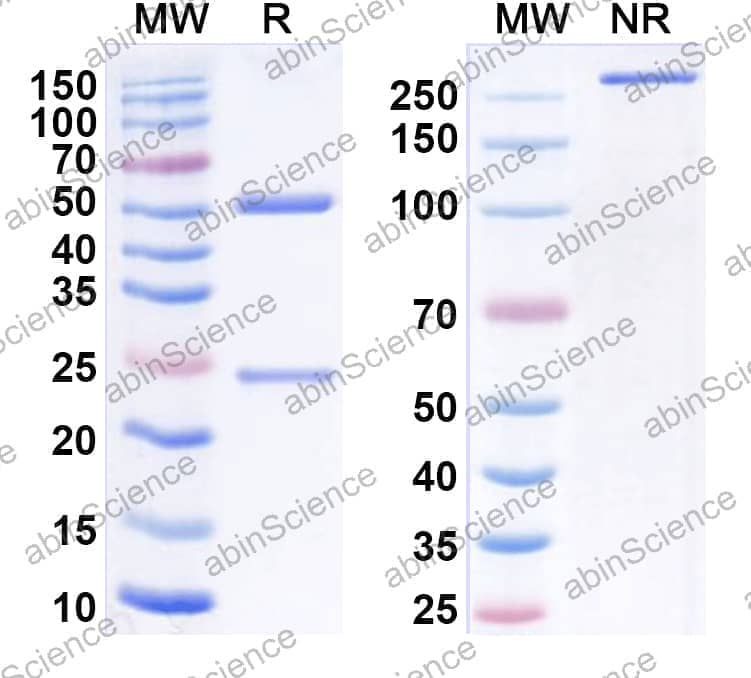
| Catalog No. | MP042107 |
|---|---|
| Description |
Anti-Mouse TIMD4/TIM-4 Antibody (RMT4-53) [RMT4-53] (MP042107) is a rat monoclonal antibody detecting TIMD4 in FCM. Suitable for Mouse.
Highlights
|
| Species reactivity | Mouse |
| Applications | FCM |
| Host species | Rat |
| Isotype | IgG2a, kappa |
| Clone ID | RMT4-53 |
| Clonality | Monoclonal |
| Target | TIMD4, T-cell immunoglobulin mucin receptor 4, TIM-4, TIMD-4, T-cell membrane protein 4, TIM4, T-cell immunoglobulin and mucin domain-containing protein 4 |
| Endotoxin level | Please contact with the lab for this information. |
| Purity | >95% as determined by SDS-PAGE. |
| Purification | Protein A/G purified from cell culture supernatant. |
| Accession | Q6U7R4 |
| Form | Liquid |
| Storage buffer | 0.01M PBS, pH 7.4. Please refer to the specific buffer information in the hardcopy of datasheet or the lot-specific COA. |
| Stability and Storage | Use a manual defrost freezer and avoid repeated freeze-thaw cycles. Store at 4°C short term (1-2 weeks). Store at -20°C 12 months. Store at -80°C long term. |
| Background | T-cell immunoglobulin and mucin domain-containing protein 4 (TIMD4/TIM-4) is a ~37 kDa protein. Phosphatidylserine receptor that plays different role in immune response including phagocytosis of apoptotic cells and T-cell regulation. Controls T-cell activation in a bimodal fashion, decreasing the activation of naive T-cells by inducing cell cycle arrest, while increasing proliferation of activated T-cells by activating AKT1 and ERK1/2 phosphorylations and subsequent signaling pathways. Also plays a role in efferocytosis which is the process by which apoptotic cells are removed by phagocytic cells. Mechanistically, promotes the engulfment of apoptotic cells or exogenous particles by securing them to phagocytes through direct binding to phosphatidylserine present on apoptotic cells, while other engulfment receptors such as MERTK efficiently recognize apoptotic cells and mediate their ingestion. Additionally, promotes autophagy process by suppressing NLRP3 inflammasome activity via activation of STK11/PRKAA1 pathway in a phosphatidylserine-dependent mechanism. 1. Miyanishi, M. et al. (2007) Nature 450, 435-9. PMID: 17960135 2. Rodriguez-Manzanet, R. et al. (2008) Journal of immunology (Baltimore, Md. : 1950) 180, 4706-13. PMID: 18354194 3. Mizui, M. et al. (2008) International immunology 20, 695-708. PMID: 18367551 4. Liu, W. et al. (2019) Journal of immunology (Baltimore, Md. : 1950) 203, 990-1000. PMID: 31263038 |
| Note | For research use only. |
SDS-PAGE for Anti-Mouse TIMD4/TIM-4 Antibody (RMT4-53)

Contact us for custom quotes, bulk requests and any other issues.
Mail: support@abinScience.com
+86-27-65523339
Building C, No. 666, Shen Dun Si Lu, Wuhan, 430206, China


