Last updated: June 2026 | Reading time: 14 min
The incretin drug landscape has evolved rapidly — from single-target GLP-1 receptor agonists to a triple agonist targeting GLP-1, GIP, and glucagon receptors simultaneously, now posting 28% weight loss in Phase 3 trials. For researchers working on pharmacokinetic (PK) drug quantification, anti-drug antibody (ADA) immunogenicity screening, or receptor-level functional studies, this evolution means an expanding set of analytical challenges and dedicated research reagent requirements.
This guide compares semaglutide, tirzepatide, and retatrutide (also known by its research code LY3437943) from a research reagent and bioanalytical perspective — covering receptor mechanisms, assay design considerations, and the validated tools available to support preclinical and translational studies across all three incretin drug programs.
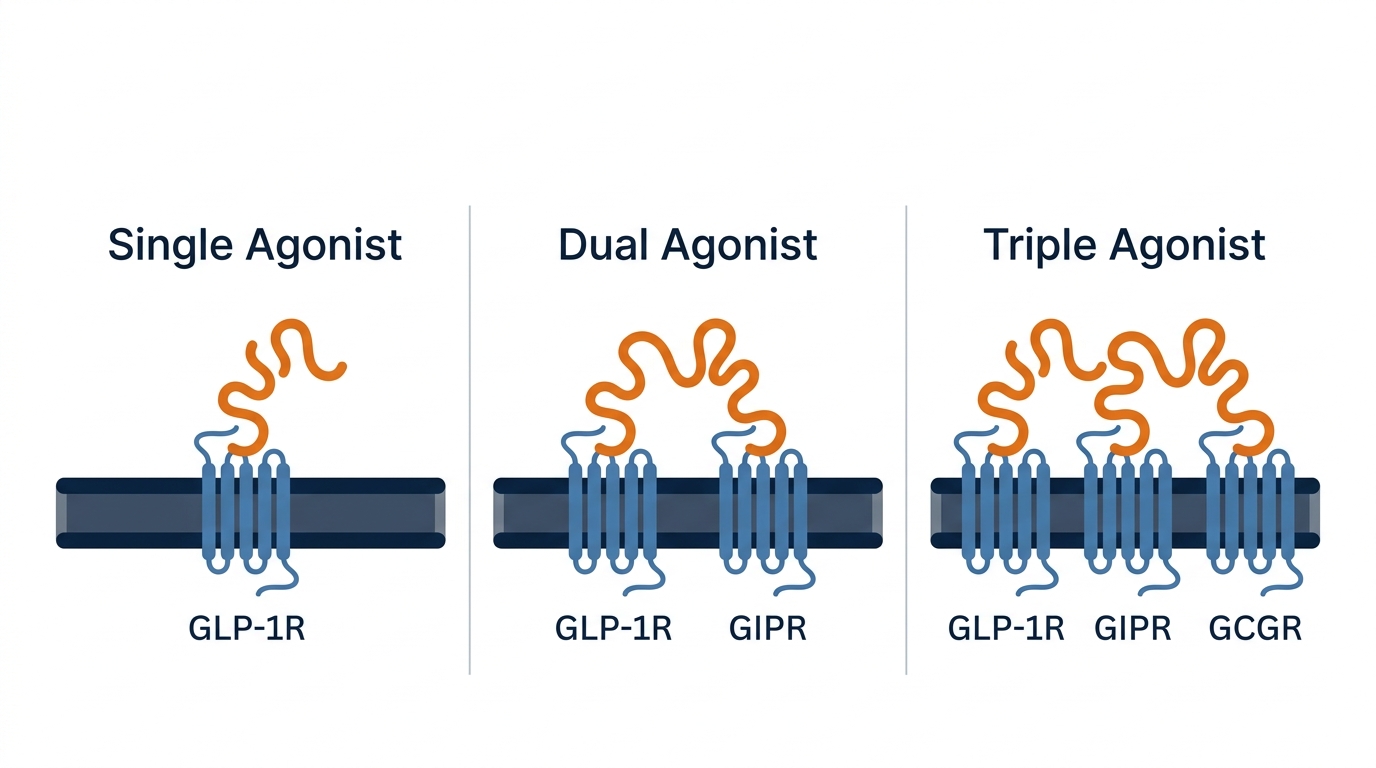
Figure 1. Evolution of incretin receptor agonists: from single-target GLP-1R agonist (semaglutide) to dual-target GLP-1R/GIPR agonist (tirzepatide) to triple-target GLP-1R/GIPR/GCGR agonist (retatrutide/LY3437943)
1. Three Generations of Incretin Agonists: Mechanism at a Glance
The key differentiator across these three molecules is not potency at a single receptor — it's the number of receptors each drug engages simultaneously. Each added receptor target introduces new metabolic pathways, which in turn demands different analytical strategies for detection, quantification, and immunogenicity monitoring.
| Feature |
Semaglutide |
Tirzepatide |
Retatrutide |
| Drug Class |
GLP-1 RA (single agonist) |
GIP/GLP-1 RA (dual agonist) |
GIP/GLP-1/Glucagon RA (triple agonist) |
| Receptor Targets |
GLP-1R |
GLP-1R + GIPR |
GLP-1R + GIPR + GCGR |
| Research Code |
NN9535 |
LY3298176 |
LY3437943 |
| Developer |
Novo Nordisk |
Eli Lilly |
Eli Lilly |
| Brand Names |
Ozempic® / Wegovy® |
Mounjaro® / Zepbound® |
Investigational (LY3437943) |
| FDA Status (June 2026) |
Approved (T2D, obesity) |
Approved (T2D, obesity) |
Phase 3 (NDA expected Q4 2026) |
| Max Weight Loss (Phase 3) |
~15% (STEP 1, 68 wk) |
~22.5% (SURMOUNT-1, 72 wk) |
~28.3% (TRIUMPH-1, 80 wk) |
| Molecular Format |
Acylated GLP-1 analogue (albumin binding) |
Single peptide, dual receptor agonism |
Single peptide, triple receptor agonism |
From a bioanalytical standpoint, the progression from single to triple agonism creates compounding complexity: more receptor interactions to characterize, more potential immunogenic epitopes to screen for ADA, and more metabolic endpoints to monitor in preclinical models.
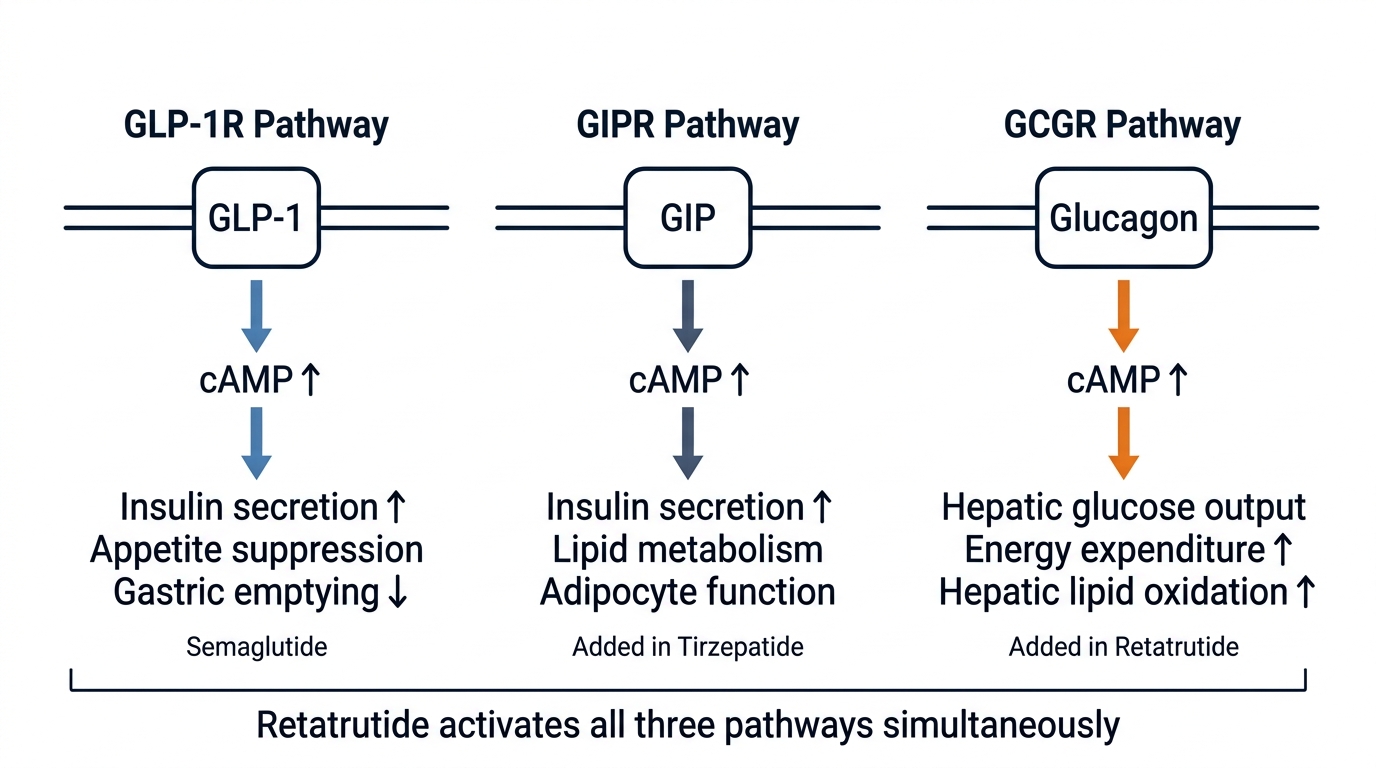
Figure 2. Receptor signaling pathways of GLP-1R (semaglutide), GIPR (added in tirzepatide), and GCGR (added in retatrutide), showing downstream metabolic effects of each target
For a comprehensive review of all incretin-based drug candidates presented at the 2026 ADA Scientific Sessions — including emerging oral small-molecule GLP-1 agonists and ultra-long-acting injectables — see our ADA 2026 Obesity Drug Pipeline Coverage.
2. Why Researchers Need Dedicated Reagents for Each Drug
Despite sharing the GLP-1 receptor as a common target, these three molecules are structurally distinct peptides with different epitope landscapes. A polyclonal antibody raised against semaglutide will not reliably detect tirzepatide, and neither will cross-react meaningfully with retatrutide. This has three practical implications for bioanalytical workflows:
Pharmacokinetic (PK) ELISA: Drug Concentration Quantification
Pharmacokinetic ELISA kits for obesity drugs measure circulating drug concentration in plasma or serum samples. Each assay uses capture and detection reagents specific to the drug molecule itself — not to the receptor it binds. This means a semaglutide PK ELISA cannot be repurposed for tirzepatide or retatrutide quantification. Each drug program requires a dedicated pharmacokinetic ELISA kit with validated sensitivity and a dynamic range appropriate for its dosing regimen — typically 78.125–5,000 ng/mL for incretin PK assays.
Anti-Drug Antibody (ADA) ELISA: Immunogenicity Screening
ADA ELISA kits detect human IgG antibodies that develop against the drug during treatment — a critical safety parameter in clinical trials of therapeutic peptides. Because each drug has a unique peptide backbone and epitope profile, ADA assays must be drug-specific. The bridging ELISA format for immunogenicity assessment of peptide drugs (drug-coated plate captures patient ADA, which is then detected with labeled drug) requires matched anti-idiotype reagents or drug-conjugate pairs unique to each molecule. ADA kit sensitivities for incretin drugs typically reach 0.25–6.49 ng/mL, enabling detection of low-titer antibody responses.
Receptor-Level Studies: GLP-1R, GIPR, and GCGR Antibodies
Researchers studying receptor binding, signaling, or tissue expression need target-specific antibodies validated for IHC, WB, and flow cytometry, along with recombinant proteins for GLP-1R, GIPR, and GCGR. Retatrutide studies, in particular, require reagents for all three receptors — whereas semaglutide studies may only need GLP-1R tools. This three-receptor requirement makes retatrutide the most reagent-intensive of the three programs.
3. Clinical Landscape: Where Each Drug Stands in 2026
Understanding each drug's clinical trajectory helps researchers anticipate which reagents will see growing demand and where research investment is heading.
Semaglutide (Ozempic/Wegovy) is the most established molecule. With FDA approval for both type 2 diabetes and chronic weight management, plus the landmark SELECT cardiovascular outcomes trial, semaglutide has the deepest body of published data. For researchers, this means well-characterized assay requirements and a mature reagent supply chain — but also significant competitive pressure from generic and biosimilar development programs. The demand for anti-semaglutide antibodies and PK ELISA kits continues to grow as biosimilar pipelines advance globally.
Tirzepatide (Mounjaro/Zepbound) has overtaken semaglutide in efficacy metrics since its approval. The dual GIP/GLP-1 mechanism demonstrated superior weight loss and glycemic control in head-to-head trials. With expanding indications under investigation (MASH, heart failure, sleep apnea), tirzepatide represents a fast-growing research area that requires both drug-specific PK/ADA assays and receptor-level tools for GLP-1R and GIPR. Researchers developing tirzepatide biosimilars can use our Research Grade Tirzepatide (SW328026) as a reference standard for bioactivity comparison.
Retatrutide (LY3437943) is the newest entrant and has posted the highest weight loss numbers ever recorded for an incretin-class drug. The Phase 3 TRIUMPH-1 trial (May 2026) demonstrated 28.3% mean body weight loss at the 12 mg dose over 80 weeks in 2,339 participants without diabetes. With Eli Lilly targeting an NDA submission in Q4 2026, retatrutide is poised to become commercially available by late 2027 or early 2028. The triple-agonist mechanism — adding glucagon receptor activation on top of GLP-1 and GIP — has shown unique benefits for hepatic fat reduction and energy expenditure that the earlier molecules do not replicate.
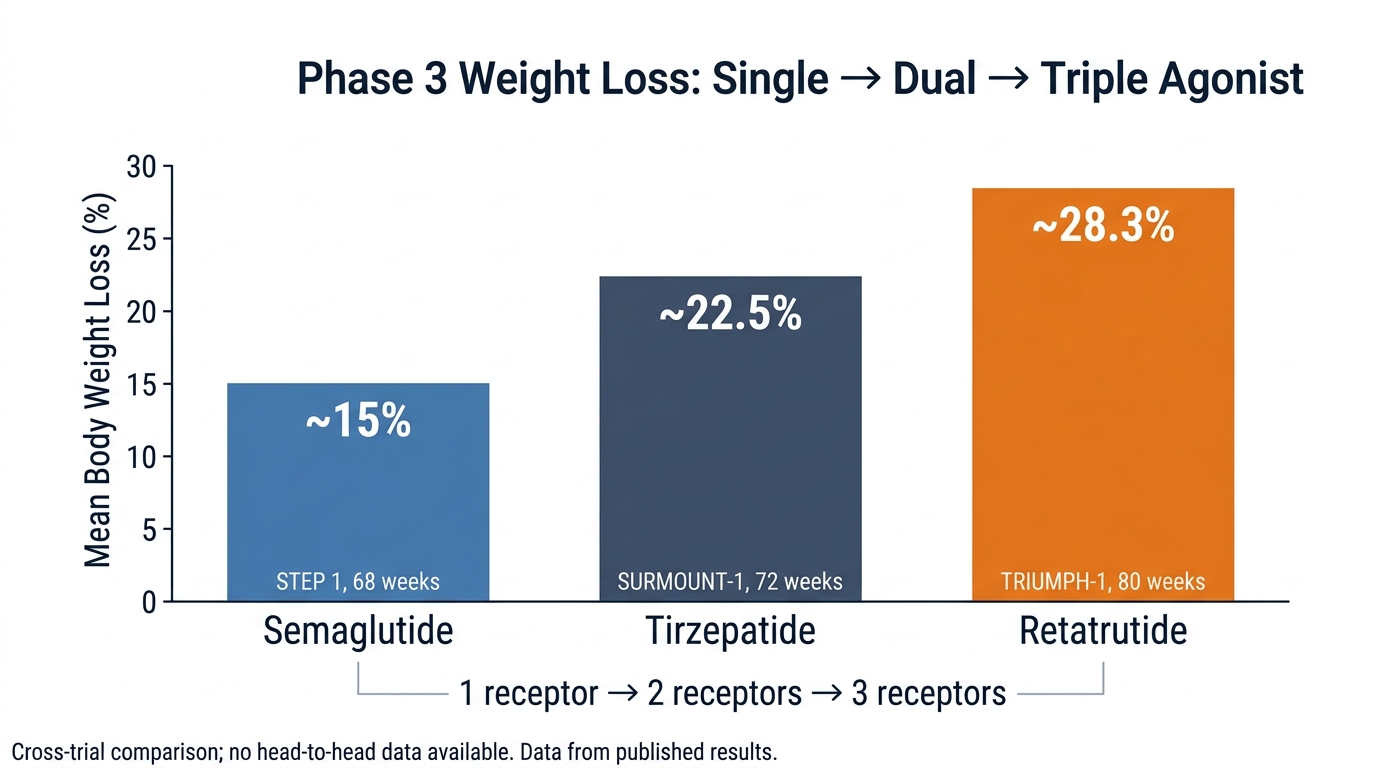
Figure 3. Phase 3 maximum weight loss comparison: semaglutide (~15%, STEP 1), tirzepatide (~22.5%, SURMOUNT-1), and retatrutide (~28.3%, TRIUMPH-1). Cross-trial comparison; no head-to-head data available.
Key takeaway for research teams: With three structurally distinct drugs now in advanced development or on the market, labs working across incretin programs need a reagent supplier that covers all three molecules — and their respective receptor targets — from a single source. abinScience offers 20+ validated products spanning PK ELISA kits, ADA screening assays, anti-drug antibodies, receptor antibodies, and biosimilar-grade reference standards for all three programs.
4. Assay Design Considerations: PK, ADA, and Functional Readouts
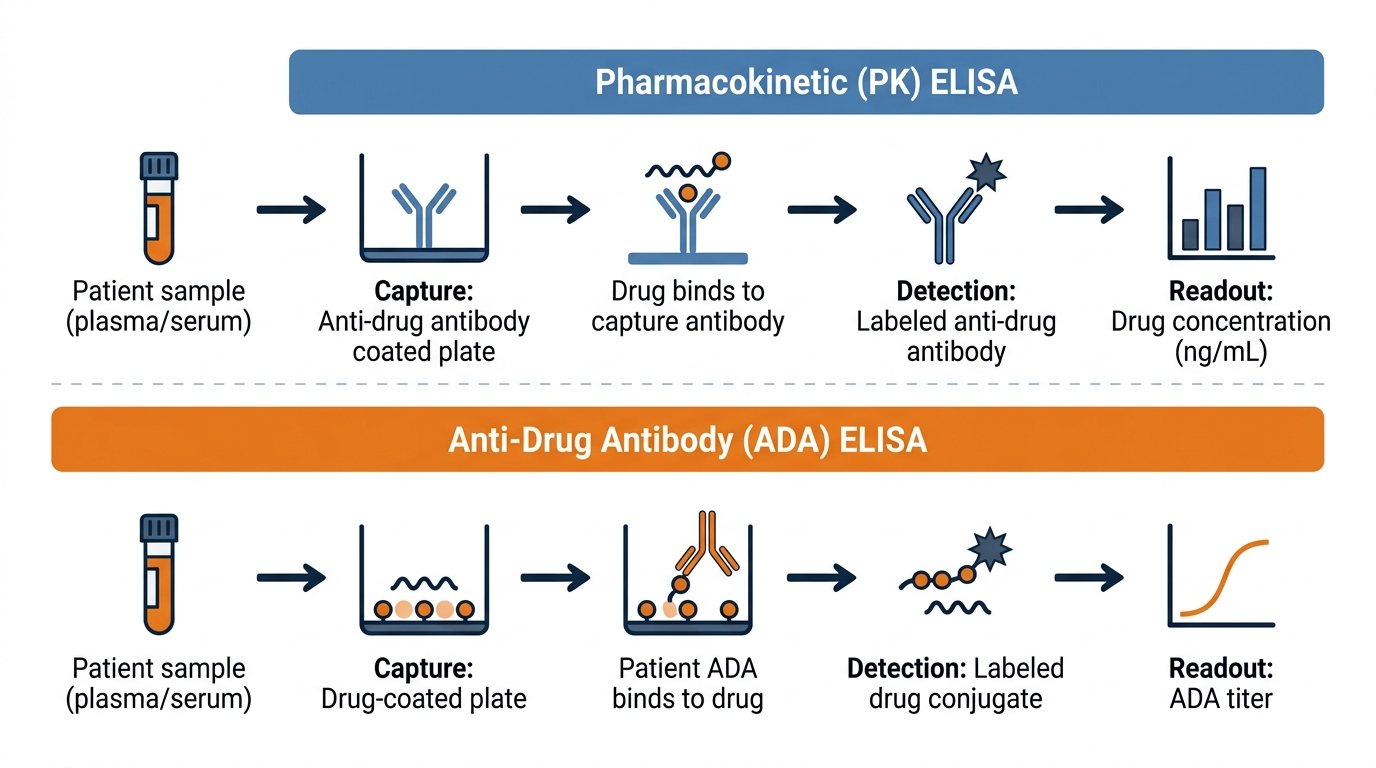
Figure 4. Side-by-side comparison of PK ELISA (drug concentration quantification) and ADA ELISA (immunogenicity screening) workflows for incretin-based therapeutics
The table below maps each drug to its core bioanalytical assay requirements, including validated detection ranges and sample compatibility. Note how the assay complexity escalates from single-agonist to triple-agonist:
| Assay Type |
Semaglutide |
Tirzepatide |
Retatrutide |
| PK ELISA (drug conc.) |
✓ 78–5,000 ng/mL |
✓ 78–5,000 ng/mL |
✓ 156–10,000 ng/mL (sensitivity: 26.24 ng/mL) |
| ADA ELISA (immunogenicity) |
✓ Sensitivity: 6.49 ng/mL |
✓ Sensitivity: 0.28 ng/mL |
✓ Sensitivity: 0.25 ng/mL |
| Sample types |
Plasma, Serum |
Plasma, Serum |
Plasma, Serum |
| Anti-drug antibodies |
Polyclonal, monoclonal, recombinant |
Polyclonal |
Polyclonal |
| Receptor antibodies needed |
GLP-1R only |
GLP-1R + GIPR |
GLP-1R + GIPR + GCGR |
| Functional assay reagents |
Research-grade semaglutide |
Research-grade tirzepatide |
Research-grade retatrutide |
| Recombinant receptor proteins |
GLP-1R protein |
GLP-1R + GIPR proteins |
GLP-1R + GIPR + GCGR proteins |
| Total reagent categories |
3–4 |
5–6 |
7–8 |
5. Research Reagent Selection Guide: Products by Drug and Application
The following matrix maps available abinScience reagents to each drug program, organized by assay type. All products are for research use only (RUO). Click any catalog number to view full product specifications, validation data, and pricing.
Semaglutide Research Reagents
Tirzepatide Research Reagents
Retatrutide (LY3437943) Research Reagents
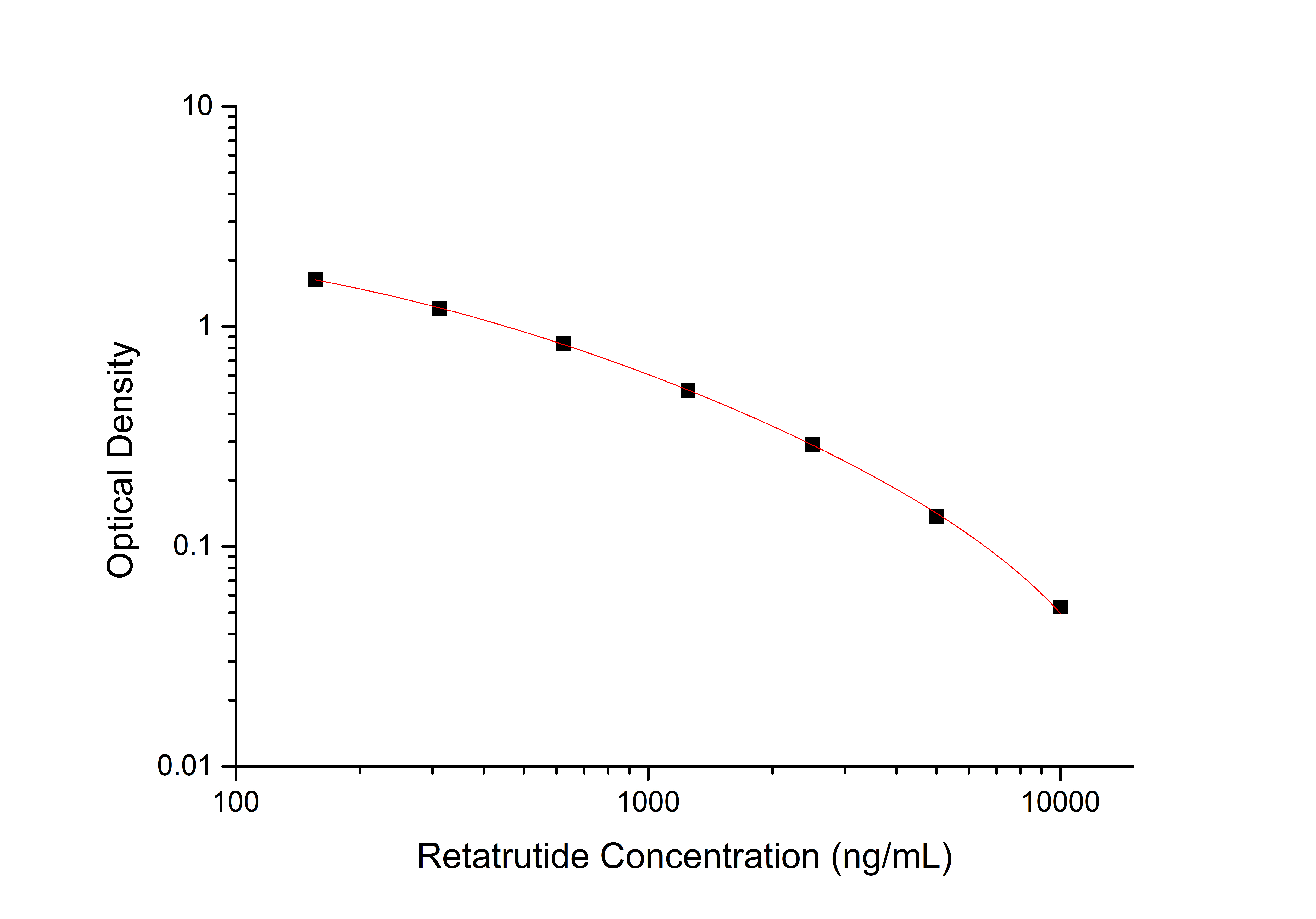
Figure 5. Representative standard curve of the Retatrutide (LY3437943) PK ELISA Kit (DW328058). Assay range: 156.25–10,000 ng/mL; sensitivity: 26.24 ng/mL. Sample types: plasma, serum. Colorimetric detection.
Receptor Target Antibodies & Proteins (Shared Across Programs)
These GLP-1 receptor antibodies, GIPR antibodies, and GCGR antibodies are essential for characterizing receptor expression (IHC, WB), binding studies, and functional assays across all three incretin drug programs:
| Receptor |
Product |
Cat. No. |
Applications |
Relevant Drug(s) |
| GLP-1R |
Anti-GLP1R Polyclonal Antibody |
HW328014 |
WB, IHC, ELISA |
All three |
| Anti-Human GLP1R Recombinant Antibody (SAA0519) |
HW328013 |
ELISA, IF, IHC |
All three |
| Human GLP1R Recombinant Protein (N-His) |
HW328012 |
SDS-PAGE, WB, ELISA, Immunogen |
All three |
| GIPR |
Anti-Human GIPR/GIP-R Polyclonal Antibody |
HW595014 |
ELISA, IHC, WB |
Tirzepatide, Retatrutide |
| Anti-Human GIPR/GIP-R Recombinant Antibody (SAA1449) |
HW595013 |
ELISA |
Tirzepatide, Retatrutide |
| GCGR |
Anti-Human Glucagon R/GCGR Recombinant Antibody (SAA0133) |
HW547207 |
FCM |
Retatrutide only |
| Anti-Mouse GCGR Recombinant Antibody (mAb1) |
MW547107 |
ELISA, FCM |
Retatrutide (preclinical models) |
6. Choosing the Right Assay Strategy by Research Context
Different research objectives require different combinations of the reagents above. Here's a practical guide for three common scenarios:
Scenario A: Preclinical Pharmacokinetic Study
You're conducting a mouse PK study for a next-gen incretin candidate. You need a drug-specific pharmacokinetic ELISA kit to measure plasma drug levels at each time point — our Retatrutide PK ELISA Kit (DW328058) supports both plasma and serum samples with a detection range of 156.25–10,000 ng/mL and a sensitivity of 26.24 ng/mL. You'll also need a Research Grade Retatrutide (SW328046) reference standard for calibration curves. For retatrutide studies specifically, consider adding anti-GCGR antibodies for tissue pharmacodynamics — since the glucagon receptor component is unique to this molecule, confirming target engagement at the receptor level provides data that GLP-1R readouts alone cannot capture.
Scenario B: Immunogenicity (ADA) Assessment for Clinical Trials
Regulatory guidelines (FDA, EMA) require anti-drug antibody screening for all therapeutic peptides in clinical development. Our Anti-Retatrutide Human IgG ELISA Kit (AW328018) provides the bridging ELISA format needed for tiered immunogenicity testing: screening → confirmatory → titer, with a sensitivity of 0.25 ng/mL and a detection range of 1.56–100 ng/mL. Each drug requires its own dedicated kit — there is no cross-reactivity shortcut across semaglutide, tirzepatide, or retatrutide ADA assays.
Scenario C: Receptor Expression & Functional Studies
Characterizing GLP-1 receptor expression in tissues or cell lines by IHC or Western blot? Our Anti-GLP1R Polyclonal Antibody (HW328014) is validated for WB, IHC, and ELISA. For GIPR tissue mapping, the Anti-GIPR Polyclonal Antibody (HW595014) covers ELISA, IHC, and WB applications. Recombinant receptor proteins serve as positive controls or immunogens for generating custom antibodies. For competitive binding assays, research-grade drug peptides act as displacement ligands.
7. Frequently Asked Questions
Can I use a semaglutide ELISA kit to detect tirzepatide or retatrutide?
No. Semaglutide, tirzepatide, and retatrutide are structurally distinct peptides with different epitope profiles. Each drug requires a dedicated PK ELISA kit with drug-specific capture and detection reagents. A semaglutide ELISA will not cross-react with tirzepatide or retatrutide. abinScience offers separate, validated PK ELISA kits for each molecule: DP899018 (semaglutide), DP899028 (tirzepatide), and DW328058 (retatrutide).
What is the difference between a PK ELISA and an ADA ELISA for incretin drugs?
A pharmacokinetic (PK) ELISA measures circulating drug concentration in plasma or serum — answering "how much drug is present." An anti-drug antibody (ADA) ELISA detects human IgG antibodies that patients develop against the drug — answering "is the patient mounting an immune response." PK assays use anti-drug antibodies as capture/detection reagents; ADA assays use a bridging format where drug-coated plates capture patient antibodies, which are then detected with labeled drug. Both are essential for clinical development but measure fundamentally different analytes.
Does retatrutide require different receptor antibodies than tirzepatide?
Yes. Tirzepatide engages two receptors (GLP-1R and GIPR), while retatrutide engages three (GLP-1R, GIPR, and GCGR). Retatrutide studies require anti-GCGR antibodies — such as our Anti-Human GCGR Recombinant Antibody (HW547207) — in addition to the GLP-1R and GIPR reagents shared with tirzepatide programs. This makes retatrutide the most reagent-intensive of the three drug programs.
What sample types are compatible with incretin PK ELISA kits?
All abinScience incretin PK ELISA kits support both plasma and serum samples. PK kits have a detection range of 78.125–5,000 ng/mL, while ADA immunogenicity kits offer higher sensitivity (down to 0.25 ng/mL for the retatrutide ADA kit) with narrower detection ranges optimized for low-titer antibody responses. All kits use a colorimetric readout compatible with standard microplate readers.
Is research-grade retatrutide the same as pharmaceutical-grade?
No. Research-grade retatrutide (SW328046) is a biosynthetic peptide intended for use as a reference standard in ELISA calibration curves, receptor binding/functional assays, and preclinical in vivo studies. It is not manufactured under GMP conditions and is strictly for Research Use Only (RUO). It should not be used for diagnostic or therapeutic applications.
References
- [1] Jastreboff AM, et al. Triple-Hormone-Receptor Agonist Retatrutide for Obesity — A Phase 2 Trial. N Engl J Med. 2023;389:514–526. DOI: 10.1056/NEJMoa2301972
- [2] Eli Lilly. TRIUMPH-1 Phase 3 topline results. Press release, May 21, 2026. prnewswire.com
- [3] Jastreboff AM, et al. Tirzepatide Once Weekly for the Treatment of Obesity. N Engl J Med. 2022;387:327–340. DOI: 10.1056/NEJMoa2206038
- [4] Wilding JPH, et al. Once-Weekly Semaglutide in Adults with Overweight or Obesity. N Engl J Med. 2021;384:989–1002. DOI: 10.1056/NEJMoa2032183
- [5] ClinicalTrials.gov: NCT05929066 (TRIUMPH-1), NCT05931367 (TRIUMPH-4)
Building Assays for Incretin Drug Programs?
abinScience provides PK ELISA kits, ADA screening kits, anti-drug antibodies, and receptor-target reagents for semaglutide, tirzepatide, and retatrutide — 20+ validated products from a single source.
Browse All Incretin Research Reagents →
All products are for Research Use Only (RUO). Not for diagnostic or therapeutic use.
Jade Cheng
Jade is the Marketing & Operations Manager at abinScience, specializing in SEO strategy, content marketing, and reagent product positioning for the global life science research community.
Disclaimer: Ozempic and Wegovy are registered trademarks of Novo Nordisk. Mounjaro and Zepbound are registered trademarks of Eli Lilly. Product names are used for reference purposes only. All clinical data cited are from publicly available publications and press releases. This article is intended for research professionals and does not constitute medical advice.


 中文
中文 English
 한국어
한국어 日本語
日本語 Español
 Français
 Русский


